Regular dental check-ups are an important part of maintaining healthy teeth and gums. Many dental problems, including cavities, gum disease, tooth sensitivity and infections, can develop gradually without obvious symptoms. Routine examinations allow a dentist to identify potential concerns early and recommend appropriate treatment.
If you are looking for the best dentist in Dubai, choosing a clinic that provides preventive, restorative and cosmetic dental care can make it easier to manage your oral health under one roof.
Quick Answer: A general dentist can help diagnose and treat common dental problems such as cavities, gum disease, tooth sensitivity, bad breath, cracked or damaged teeth, tooth infections and missing teeth. Depending on the condition, treatment may include professional cleaning, fillings, root canal treatment, crowns, bridges, dentures or referral to a specialist.
Why Are Regular Dental Check-Ups Important?
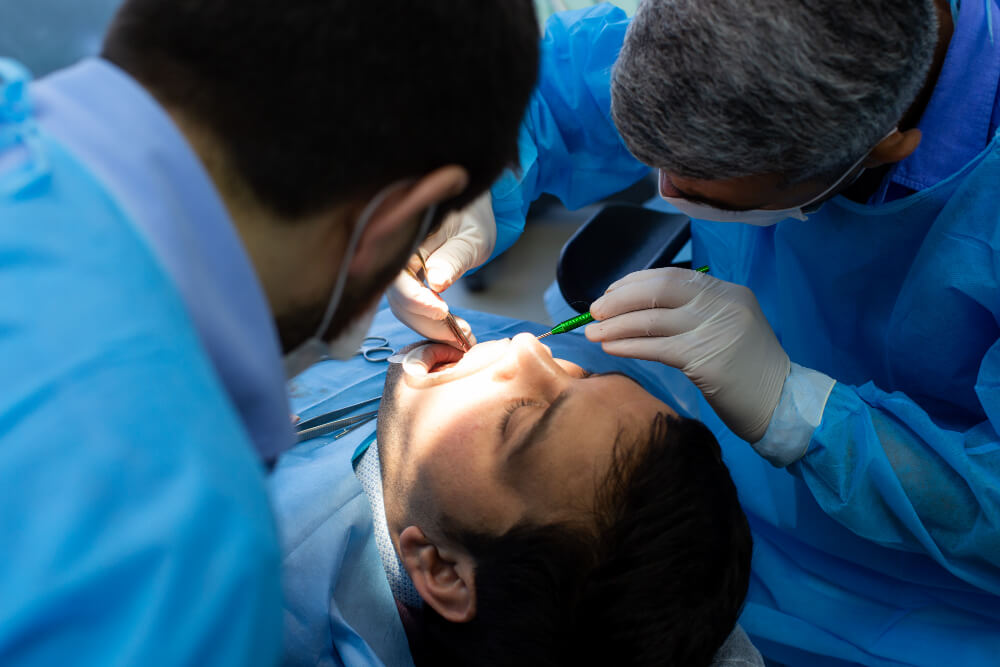
A dental appointment is not only necessary when you experience tooth pain. Regular check-ups help dentists monitor your teeth, gums and overall oral health and identify problems before they become more complicated.
During a routine examination, your dentist may check for:
- Tooth decay and cavities
- Plaque and tartar accumulation
- Gum inflammation or bleeding
- Damaged or worn teeth
- Signs of infection
- Tooth sensitivity
- Bite and alignment concerns
- Existing fillings, crowns or other restorations
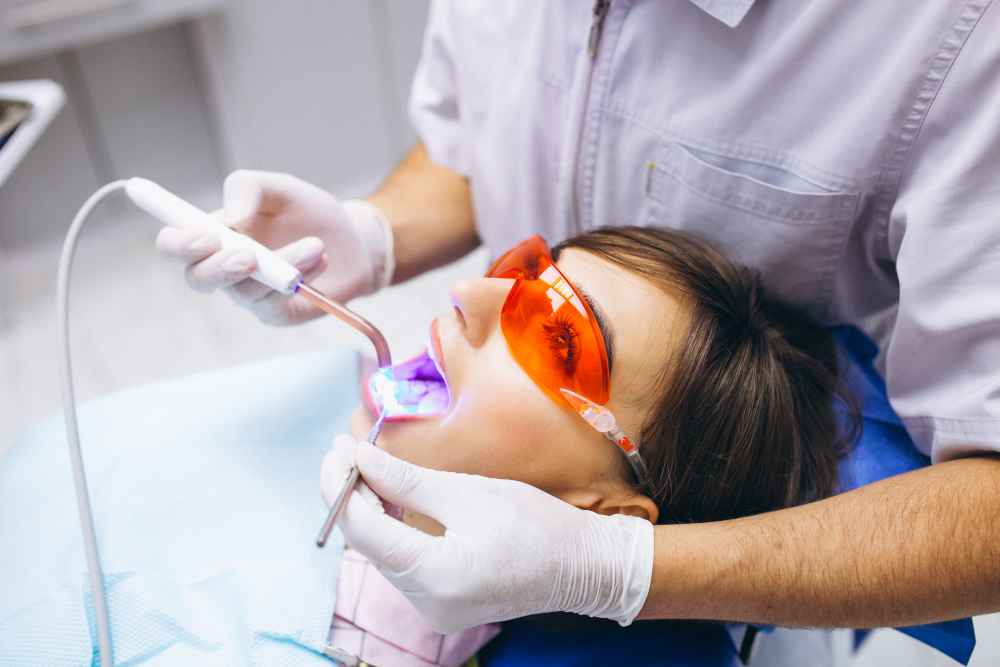
Professional cleaning can also remove hardened tartar that cannot be eliminated through normal brushing alone. Preventive dental care can therefore help reduce the risk of more extensive treatment later.
- Cavities and Tooth Decay
Cavities are among the most common dental problems. They occur when acids produced by bacteria gradually damage the tooth enamel. Small cavities may not cause noticeable symptoms initially. As decay progresses, however, you may experience sensitivity, discomfort while eating or visible changes in the tooth.
A dentist can examine the affected tooth and recommend treatment based on the extent of the decay. For many cases, a filling is used to remove the damaged portion and restore the tooth’s structure.
Common signs of a cavity include:
- Toothache
- Sensitivity to hot or cold foods
- Pain while chewing
- Visible spots or holes
- Food getting trapped around a tooth
Early treatment can help prevent decay from progressing deeper into the tooth.
- Gum Disease
Gum disease can begin with plaque accumulation around the teeth. When plaque is not properly removed, it can harden into tartar and contribute to gum inflammation.
Early gum disease may cause:
- Red or swollen gums
- Bleeding while brushing
- Persistent bad breath
- Tender gums
- Gum recession
If left untreated, more advanced gum disease can affect the tissues and bone supporting the teeth.
A general dental consultation can help identify signs of gum problems and determine whether professional cleaning, improved oral hygiene or further periodontal care is required.
- Tooth Sensitivity
Do you experience a sharp sensation when drinking something cold or eating hot food? You may be dealing with tooth sensitivity.
Sensitivity can have several causes, including:
- Worn enamel
- Gum recession
- Tooth decay
- Cracked teeth
- Aggressive brushing
- Certain dental treatments
The right treatment depends on the underlying cause. A dentist can then look at the tooth and suggest what to do to make the affected area comfortable.
- Toothache and Dental Infections
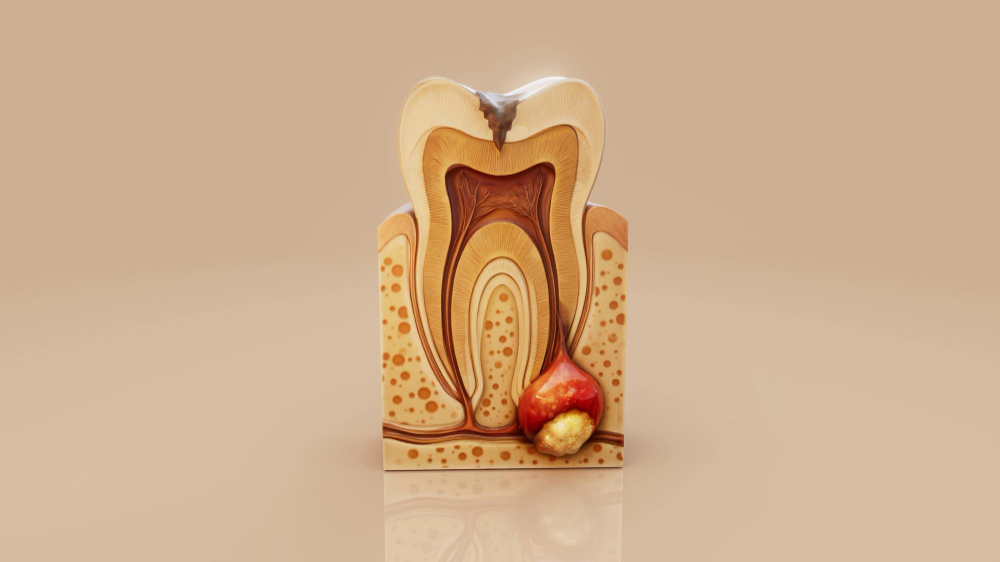
However, it’s not always wise to ignore a toothache, and if it becomes more severe or lasts over a prolonged period, it is certainly not ignored. Damage to the teeth or cracked teeth, or the problem with the inner pulp of the teeth can cause pain.
If bacteria penetrate into the inside of a tooth, a root canal sometimes may need to be performed. This process consists of cleaning the canals, disinfecting the infected area and sealing the tooth. A crown is then indicated to restore function and strength.
Seek dental attention promptly if tooth pain is accompanied by:
- Facial or gum swelling
- Fever
- Severe or persistent pain
- Difficulty chewing
- Sensitivity that does not improve
- Bad Breath
Sometimes bad breath is due to dehydration or to the presence of food particles and can occur at random times. However, chronic bad breath can occur in conjunction with oral health issues.
Potential causes include:
- Plaque buildup
- Gum disease
- Poor oral hygiene
- Dry mouth
- Tooth decay
- Certain foods or habits
A dental checkup may be helpful to see if the issue is from the teeth or gums or if it requires professional cleaning or other forms of treatment.
- Cracked, Chipped or Damaged Teeth
Several factors, such as accidents, sporting injuries, biting on hard surfaces, teeth grinding and normal wear and tear can chip or crack teeth. Treatment will depend on location and severity of damage. Sometimes minor chips can be bonded and larger teeth may need a crown or other restoration.
Restorative Dentistry deals with the reconstruction of the tooth’s appearance, strength and function.
- Missing Teeth
The loss of teeth does not just impact someone’s appearance. They can also affect chewing ability and can affect the positioning of teeth that are adjacent to each other.
Depending on your oral health and individual circumstances, replacement options may include:
Dental concern | Possible treatment |
|---|---|
Small cavity | Dental filling |
Significant tooth damage | Crown or restoration |
Infected tooth pulp | Root canal treatment |
Missing tooth | Bridge, denture or dental implant |
Misaligned teeth | Braces or clear aligners |
Stained teeth | Professional whitening |
Cosmetic imperfections | Veneers or bonding |
One option to replace missing teeth is with dental implants. These involve the insertion of an implant with subsequent fitting of a suitable dental prosthesis. This treatment can only be recommended by a dentist after examining your dental condition and suitability.
- Stained or Discoloured Teeth
Teeth can become discolored with age, some foods or beverages, smoking, medication or other causes.
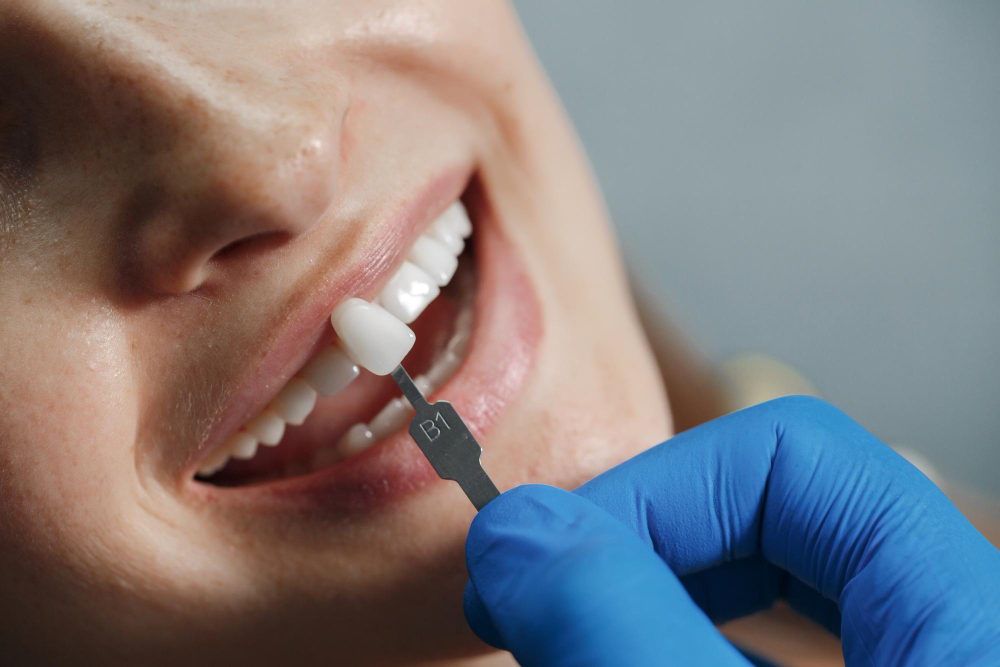
Professional teeth whitening can be used to enhance the look of natural stains. Whitening isn’t appropriate for all dental issues though, and a checkup might be advised prior to treatment.
Other cosmetic problems might also be addressed, depending on the condition of the teeth, with a veneer or bonding. Cosmetic Dentistry offered at Cure Point is comprised of teeth whitening and veneers.
Key Takeaway: Dental treatment is not only about relieving pain. Regular examinations can help identify cavities, gum problems, infections and other concerns early, making preventive care an important part of long-term oral health.
- Misaligned Teeth and Bite Problems
Crooked or crowded teeth can make it more challenging to brush and floss. There may also be bite problems.
Orthodontic treatment can move teeth back and forth, little by little to find more appropriate places. It may be possible to use conventional metal braces, ceramic braces or clear braces depending on the individual’s needs.
At Cure Point, orthodontic treatment is provided using both metal and ceramic braces, tailored to the patient’s dental needs.
- Cosmetic Dental Concerns
Some of them may be coming in to the dentist for a smile makeover treatment that they don’t like the way their smile looks.
Cosmetic dentistry can address concerns such as:
- Stained teeth
- Small gaps
- Chipped teeth
- Uneven tooth shapes
- Mildly irregular teeth
- Worn-looking teeth
Veneers, whitening and dental bonding are examples of treatments that may be considered after an appropriate dental assessment.
How to Choose a Dental Clinic in Dubai
With many clinics available, patients may find it difficult to know where to begin. When searching for dental experts in Dubai, consider factors such as:
- Dentist qualifications and experience
- Range of treatments available
- Diagnostic and dental technology
- Hygiene and patient safety practices
- Treatment planning and communication
- Availability of follow-up care
- Clear information about treatment costs
A dental centre with several dental specialties can also help you to get your preventive and restorative dental care with the assurance that you will be directed to a dentist who is qualified to treat you.
When Should You Visit a Dentist?
You do not have to wait until you develop severe pain before making an appointment.
Consider scheduling a dental examination if you notice:
- Bleeding gums
- Persistent bad breath
- Tooth sensitivity
- Toothache
- Swelling around the gums
- A chipped or cracked tooth
- A loose or missing tooth
- Changes in your bite
- New stains or unusual marks on your teeth
Regular preventive appointments are also useful even when your teeth feel healthy.
Conclusion
Many dental issues can be as mild as cavities and sensitivity, or as serious as gum disease, infections, broken teeth and tooth loss. An early assessment will give your dentist an idea of the cause of a problem and help them by recommending an appropriate treatment before the situation gets any worse.
For people searching for the best dentist in Dubai, it is useful to consider a clinic that combines preventive examinations with restorative, cosmetic and orthodontic care. Cure Point provides a range of dental services in Dubai, including preventive care, fillings, root canals, crowns and bridges, cosmetic dentistry, orthodontics and dental implants.
The best dental care begins with routine dental visits, diligent daily care, and professional counsel at times of change. If you have a dental problem, consult with the qualified dental doctors in Dubai and find out about the condition and treatment options.
FAQ
How often should I visit a dentist?
Depending on your personal oral health, risk factors and dental history you will need the appropriate frequency. You can schedule regular check-ups according to your needs with your dentist.
Can a general dentist treat tooth pain?
Yes. A general dentist will be able to assess the source of the pain and offer the right treatment if you need it or ask to be referred to a specialist in the case of a problem. Reasons could be decay, infection, damaged teeth or gum issues.
What are common treatments offered by a general dentist?
Some of the most typical are dental exams, professional cleaning, fillings, root canal therapy, crowns, bridges as well as preventive care. Some clinics also offer cosmetic and orthodontics treatments.
Is professional teeth cleaning necessary if I brush every day?
While brushing and flossing are vital to everyday oral care, the process of professional cleaning will be able to eliminate hardened tartar which is not easily removed by brushing. Your dentist will be able to recommend if professional cleaning is recommended for your oral health.